

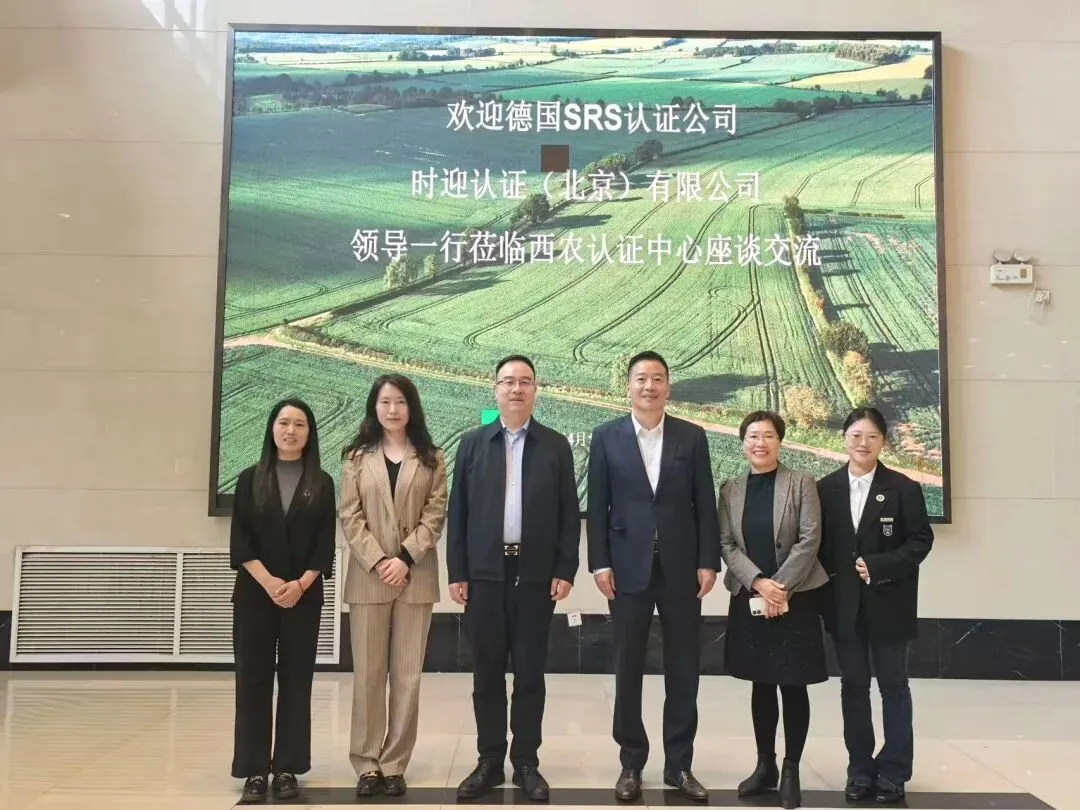
SRS Certification Germany and Northwest Agriculture And Forestry University Certification Center signed an international certification cooperation agreement, jointly building a new bridge to support the overseas expansion of China's organic industry
On April 10, 2026, SRS Certification Germany and Northwest Agriculture And Forestry University Certification Center officially signed an international certification cooperation agreement in Yangling, Shaanxi.
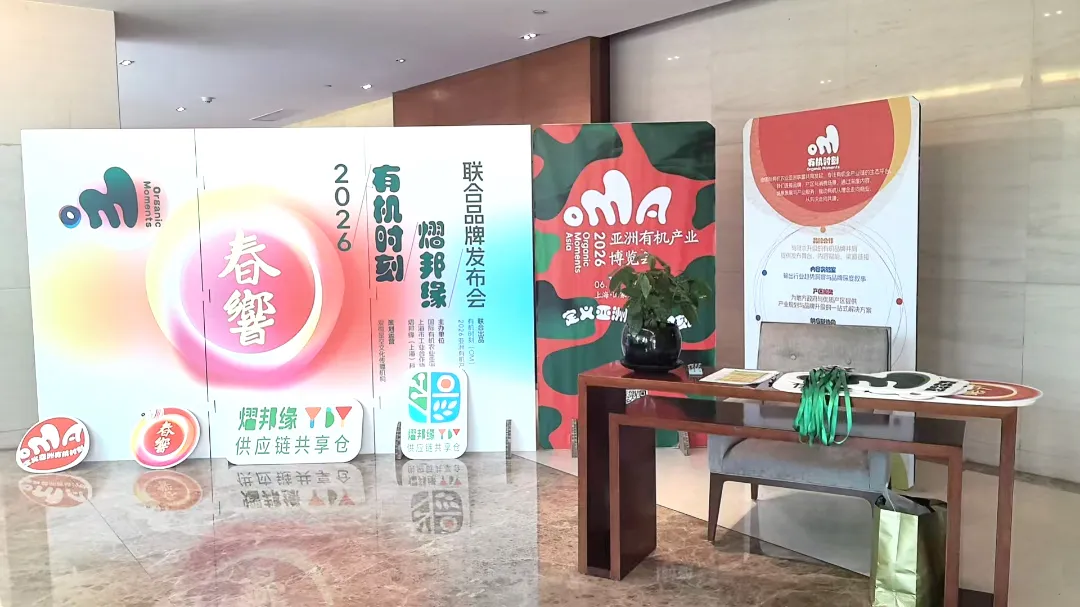
SRS Certification Makes Its Debut at the Organic Moment "Spring Echo" Conference to Discuss New Infrastructure for the Organic Industry
From March 30 to 31, 2026, the Organic Moment "Spring Echo" Launch Event, themed "Jointly Building New Infrastructure for the Organic Industry", was successfully held in Shanghai. As a representative in the organic certification sector, SRS Certification attended the conference to discuss the development of organic agriculture with industry peers and jointly usher in a new chapter for industria...
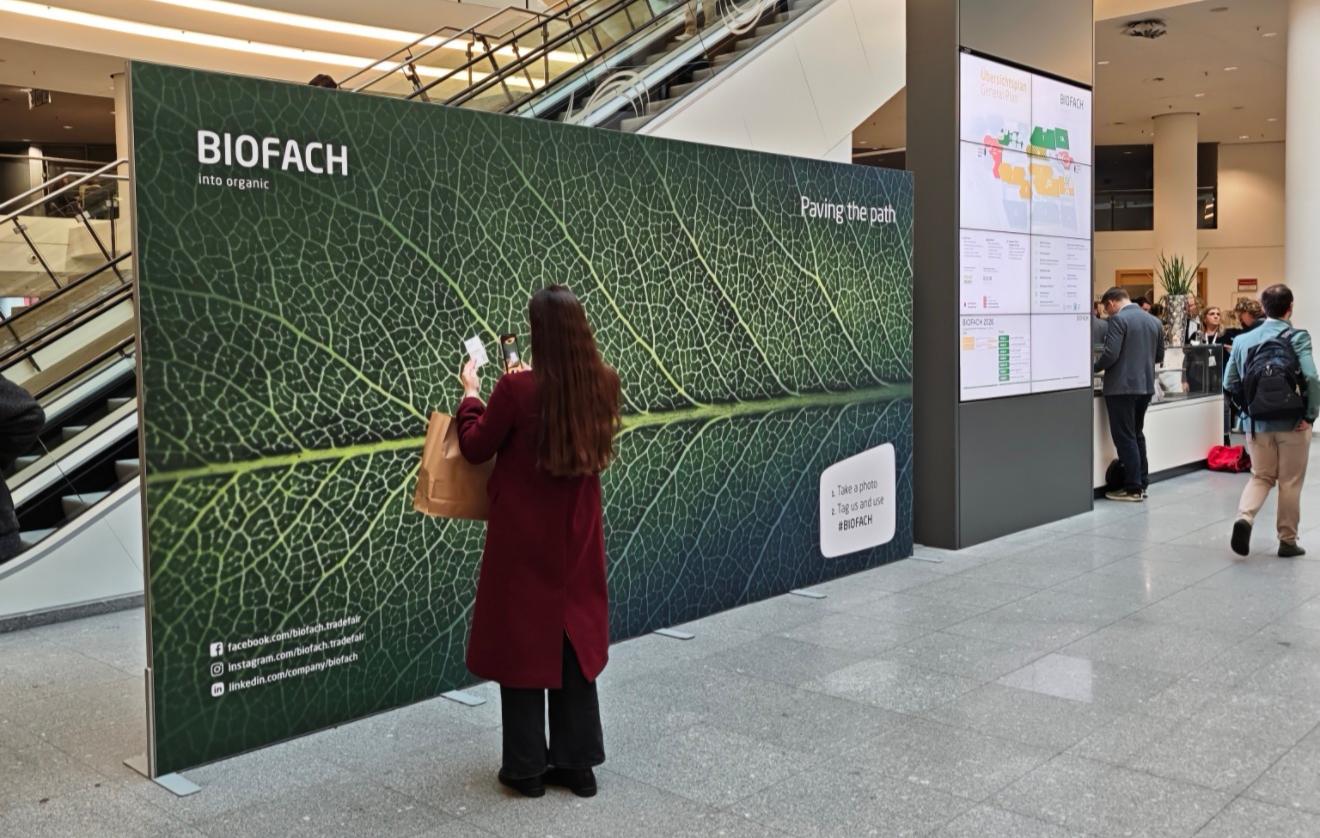
SRS Showcases at BIOFACH 2026: Deepening Global Supply Chain Layout and Leading New Standards for Organic Certification with an International Vision
From February 10 to 13, 2026, BIOFACH 2026—the 37th annual global flagship event for the organic food industry—was successfully held in Nuremberg, Germany.Mr. Xin Yuan, Managing Director of SRS Certification (hereinafter referred to as SRS), led a delegation and attended the exhibition together with Ms. Farzaneh, Certification Manager of SRS.By participating in this exhibition, SRS aims to further strengthen its position as a professional certification body through on-site assessment of the global supply chain, high-level technical exchanges, and fulfillment of its responsibilities as an international industry organization.
SRS Germany Management Team Completes On-Site Witness Assessments and Team Training in Türkiye
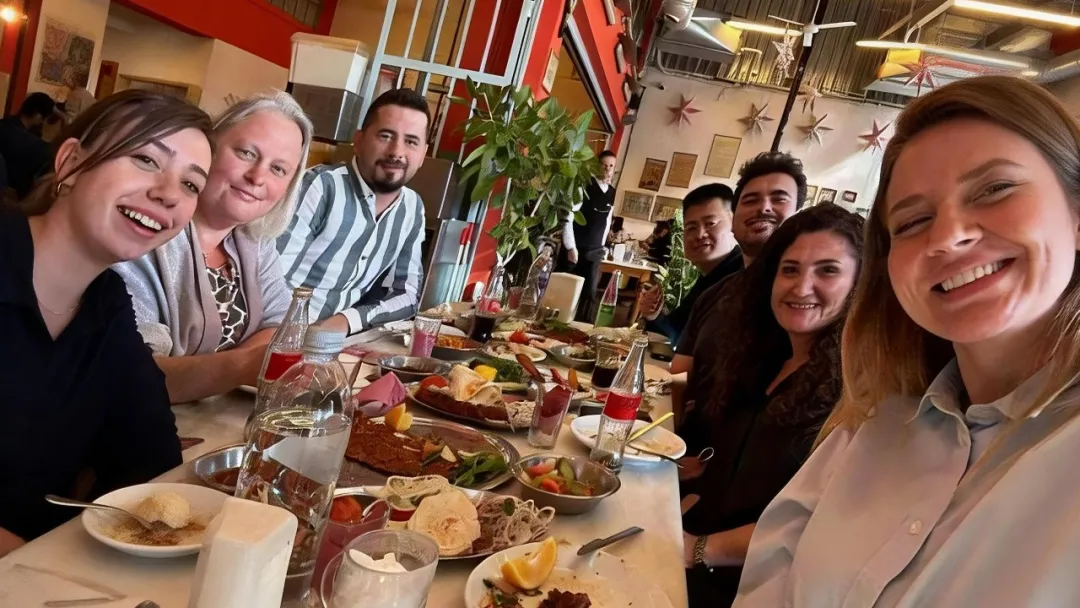
In January 2026, Mr. Yuan Xin, President of SRS Germany, Ms. Martina, Managing Director, and Ms. Farzaneh, Country Manager, led a delegation on an on-site inspection to Türkiye. They held business cooperation discussions with Mithracert, a local certification body, and conducted on-site witness assessments and office audits of the company’s inspectors and certified clients.
Our
Strengths
As an SRS certification body, we hold 11 international organic certification qualifications recognized by the EU, the United States, Japan, China, and other countries. We are accredited and authorized by Germany’s DAkkS.
China Organic
According to the requirements of the Organic Food Production Act (OFPA), the Organic Regulations of the US Department of Agriculture (7 CFR Part 205), and the NOP Handbook, the act of inspecting the product scope, process scope, and site scope of enterprises and issuing organic certificates.
Learn More
Good Agricultural Practices
Good Agricultural Practice (GAP) is a voluntary certification standard established for the production process of agricultural products, aiming to apply modern agricultural knowledge and scientifically regulate every aspect of agricultural production. It ensures the quality and safety of agricultural products while promoting sustainable development in environmental, economic, and social dimensions.
Learn More
EU Organic
We audit a company’s products, processes, and facilities against the latest EU Organic Regulation (EU) 2018/848 and related implementing rules, then issue an organic certificate.
Learn More
US Organic
The act of inspecting the product range, process range, and site range of a company and issuing an organic certificate in accordance with the requirements of the Organic Foods Production Act (OFPA), the Organic Regulations of the United States Department of Agriculture (7 CFR Part 205), and the NOP Handbook.
Learn More
Japan Organic
In accordance with the requirements of the Japanese Organic Products Act, the inspection of a company's product range, process range, and site range is conducted, and an organic certificate is issued.
Learn More
Clean Label Clean Ingredients
The concept of clean ingredients originated from the European Union and was initiated by retail distributors in the UK in 2011 to reduce the use of artificially synthesized additives in processed foods. Through clear and transparent product ingredient labeling, consumers can choose truly healthy and safe products. With the increasing awareness of health, safety, and environmental protection among consumers, many forward-looking manufacturers in China have adjusted or launched products with minimal or no additives for their products in recent years.
Learn More
Guarding the earth's regulatory chain
With the advancement of industrialization and urbanization, as well as the widespread use of pesticides and fertilizers, the current situation of farmland soil in China is worrying. In some areas, soil pollution is severe, and food safety issues are worthy of warning. However, farmers who rely on land for survival suffer from unsold agricultural products and reduced income.
Learn MoreOur
Strengths
As an SRS certification body, we hold 11 international organic certification qualifications recognized by the EU, the United States, Japan, China, and other countries. We are accredited and authorized by Germany’s DAkkS.
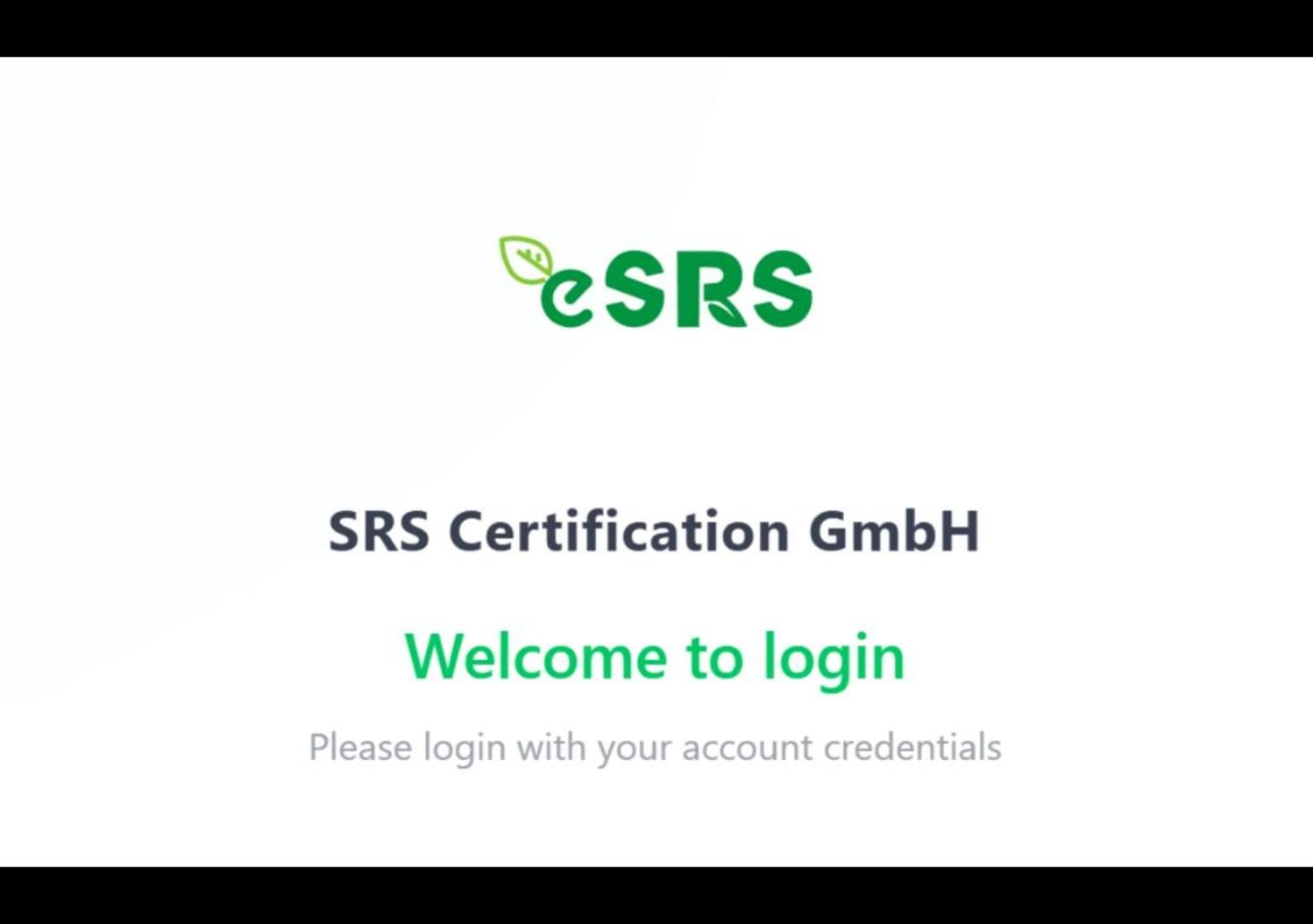
Major Release: SRS Shiying Certification Launches Global Online TC Certificate System, Providing One-Stop Services for Organic Product Export Enterprises
SRS Shiying Certification has officially launched e-SRS, a proprietary global digital management platform independently developed exclusively for certified organizations.
Learn More
Important Notice on the Issuance of Interpretation to the 2025 Edition of the Implementation Rules for Organic Product Certification and Changes to Relevant Certification Requirements
Abstract: The General Office of the State Administration for Market Regulation (SAMR) issued the Notice on the Interpretation of the 2025 Edition of the Implementation Rules for Organic Product Certification (hereinafter referred to as the "Interpretation") on December 26, 2025. To prevent some enterprises from insufficiently understanding the Interpretation and causing disruptions to the certification process, the changes between the Interpretation and previous practices are summarized as follows:
Understand the EU Organic New Regulation 2018/848 in One Article: How to Ensure Export Compliance?
For practitioners in the organic product trade, 2025 marks a critical moment to rethink their strategic layout. Since the EU formally implemented Regulation (EU) 2018/848 (hereinafter referred to as the "848 Regulation") in 2022, the relevant framework has been gradually rolled out in full.The key milestone that will truly affect exports of organic agricultural products from third countries is&...
Interpretation of the New Version of the Implementation Rules for Organic Product Certification
Abstract The Certification and Accreditation Administration of the People's Republic of China (CNCA) has recently officially issued the new version of the Implementation Rules for Organic Product Certification (CNCA-N-009:2025) (hereinafter referred to as the "New Rules"), which will formally take effect on 1 January 2026.
Latest EU Organic Regulation Update: EU Implementing Regulation (EU) 2025/2501 has been published and entered into force.
On 12 December 2025, the European Commission adopted Implementing Regulation (EU) 2025/2501, which amends Implementing Regulation (EU) 2021/1165 on the use of certain products and substances in organic production, and postpones the completion of the assessment of the list of organic cleaning and disinfectant inputs.